DuFLEX™
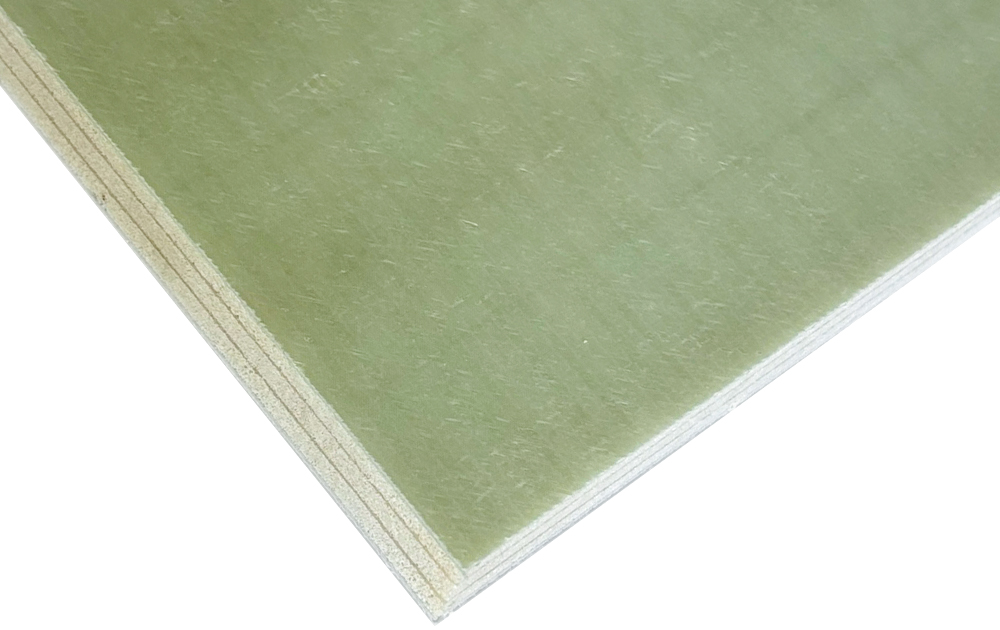
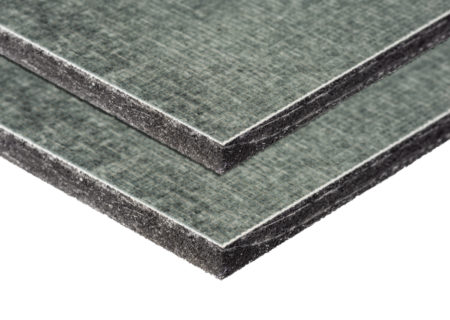
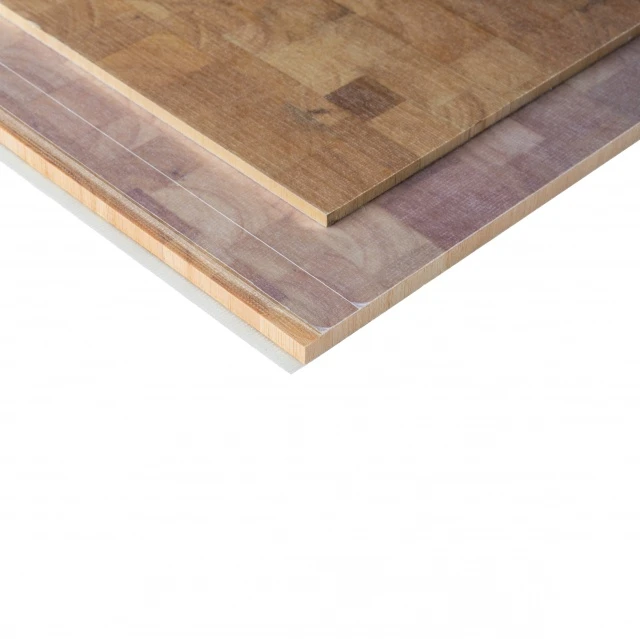
DuFLEX™ panels were specifically designed to reduce construction time and to optimise structural weight in high performance composite structures. Time-consuming laminating, coring and vacuum bagging steps normally required to fabricate high performance composites are avoided, and material waste, labour and tooling costs are greatly reduced.
Standard DuFLEX panels are cored with rigid end-grain balsa or structural foam cores*, and laminated with a high performance epoxy resin reinforced with multiaxial E-fibreglass or carbon fibre skins. Fibre orientation and ply schedules are based on design or engineering specifications to best meet weight targets, stress and impact loads, and other design parameters.
The panels are finished with peel ply to protect the laminates from contamination and to reduce the amount of preparation required prior to secondary bonding or laminating.
Typical applications
Marine
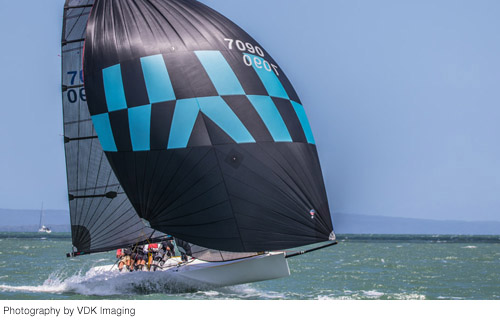
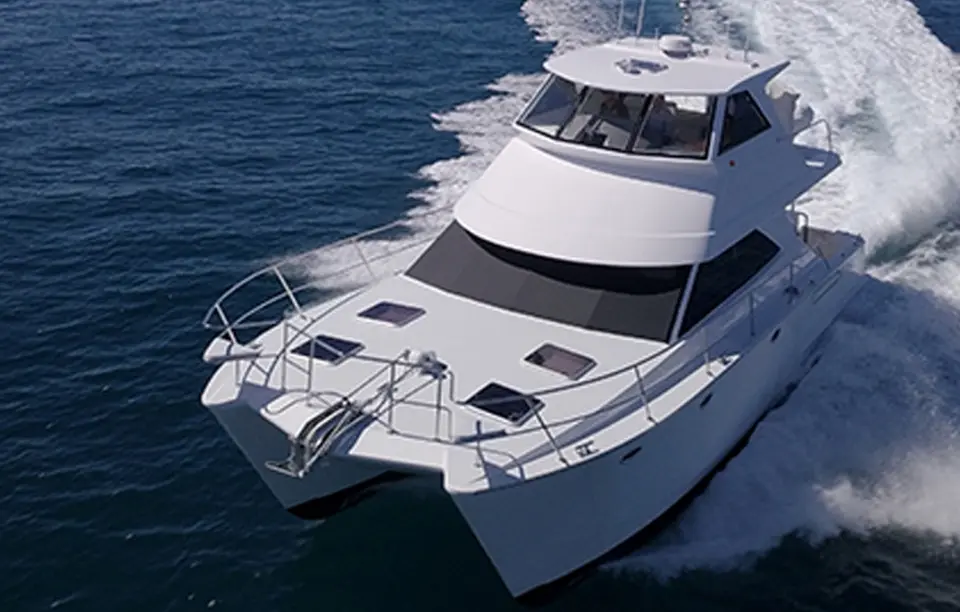
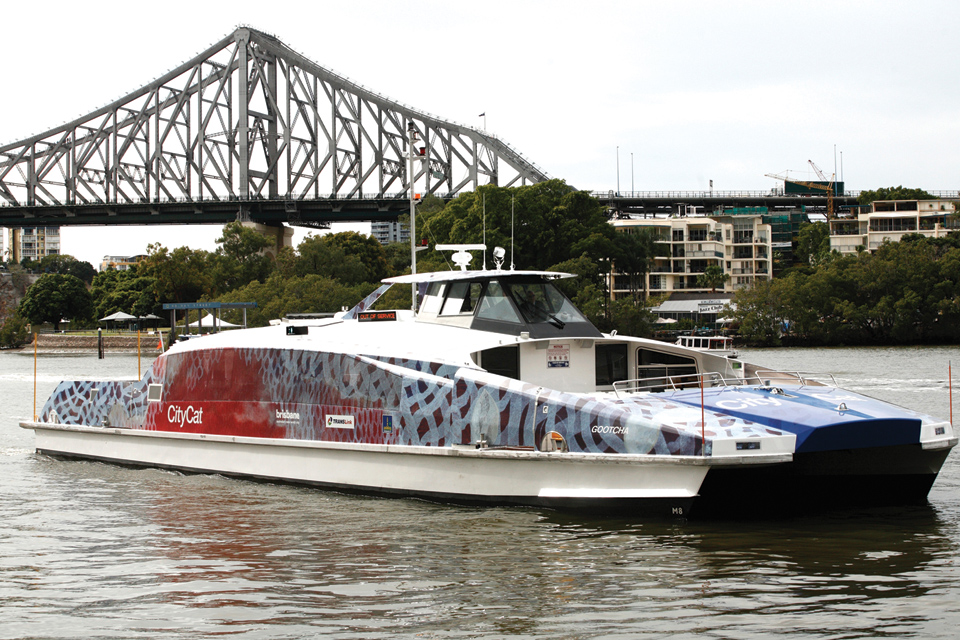
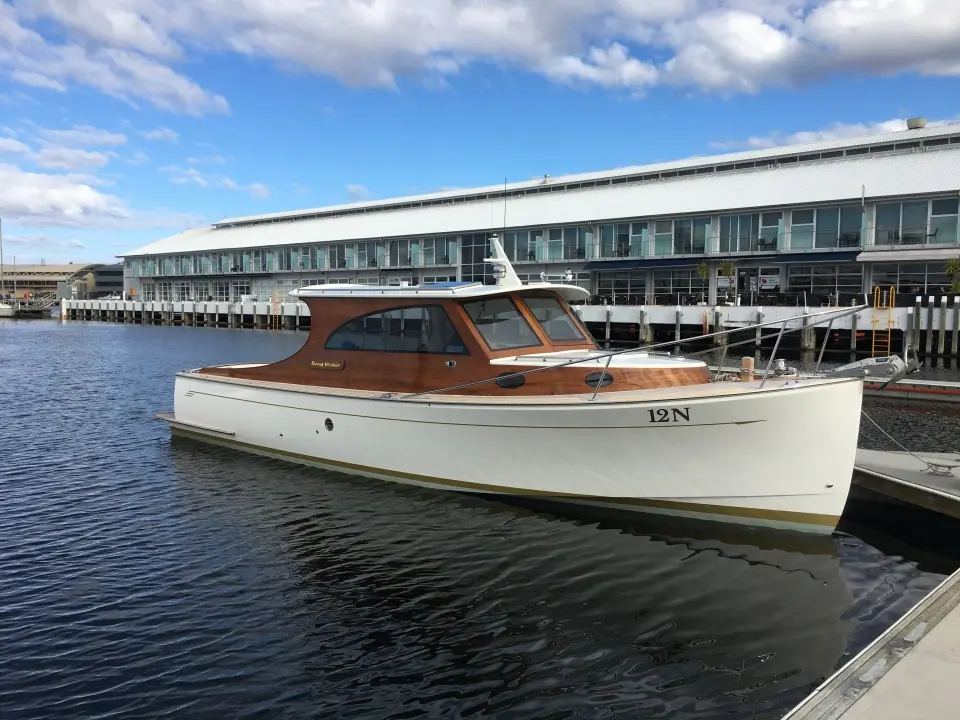
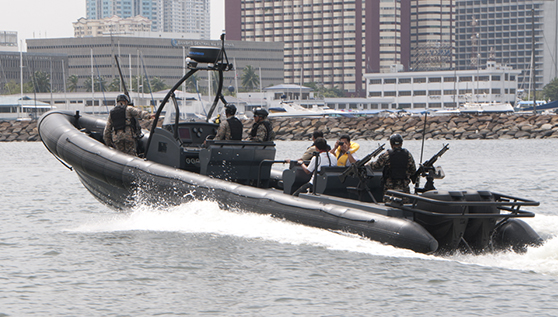
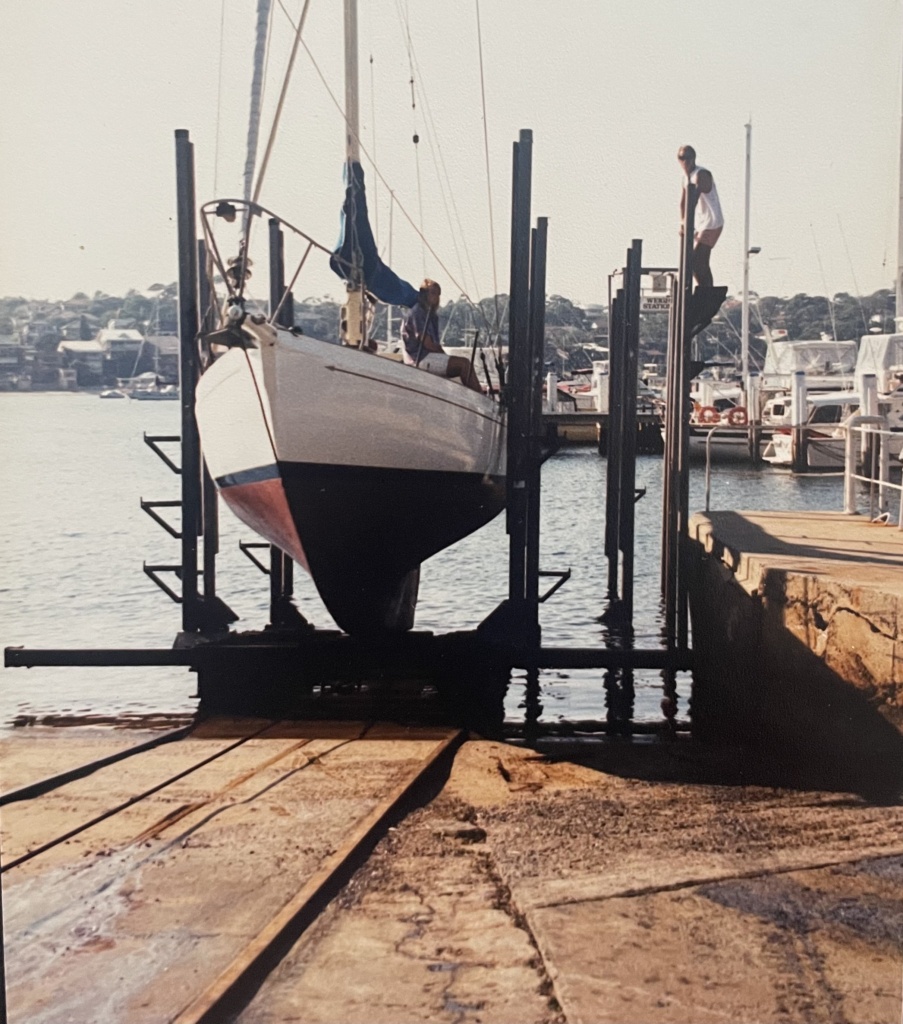
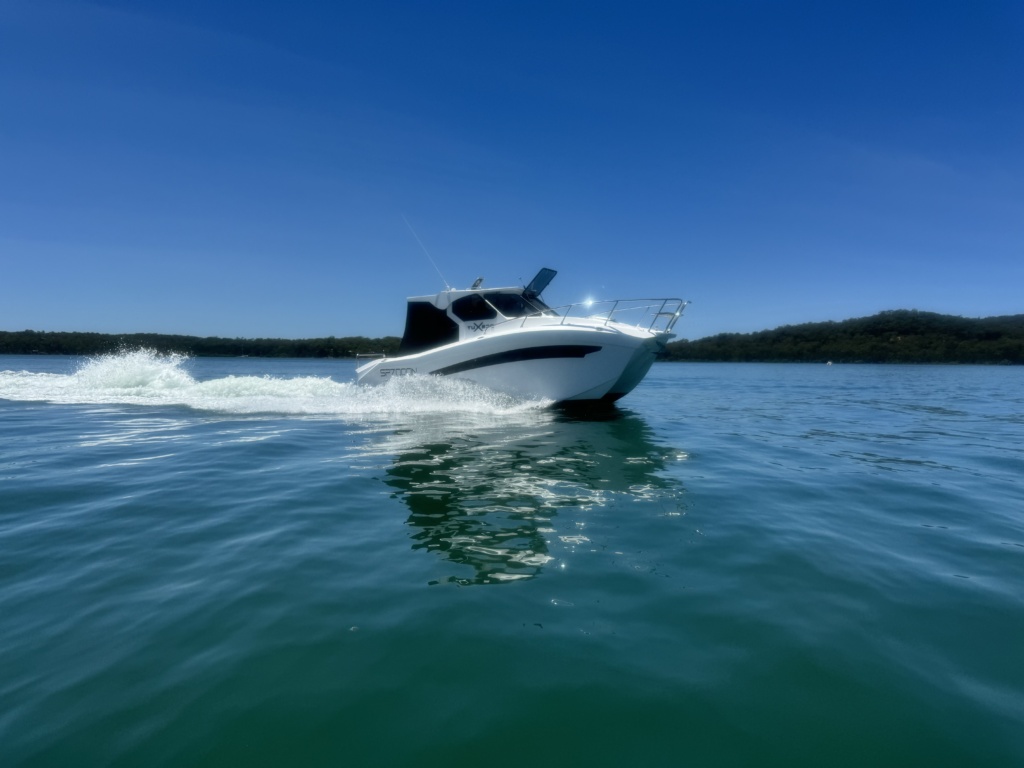
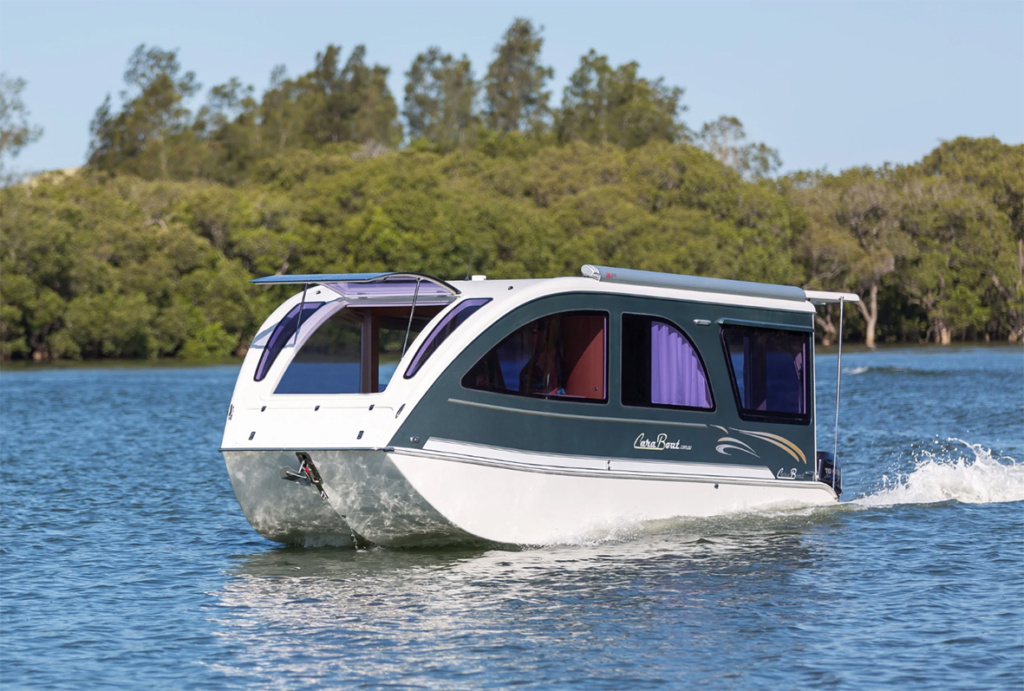
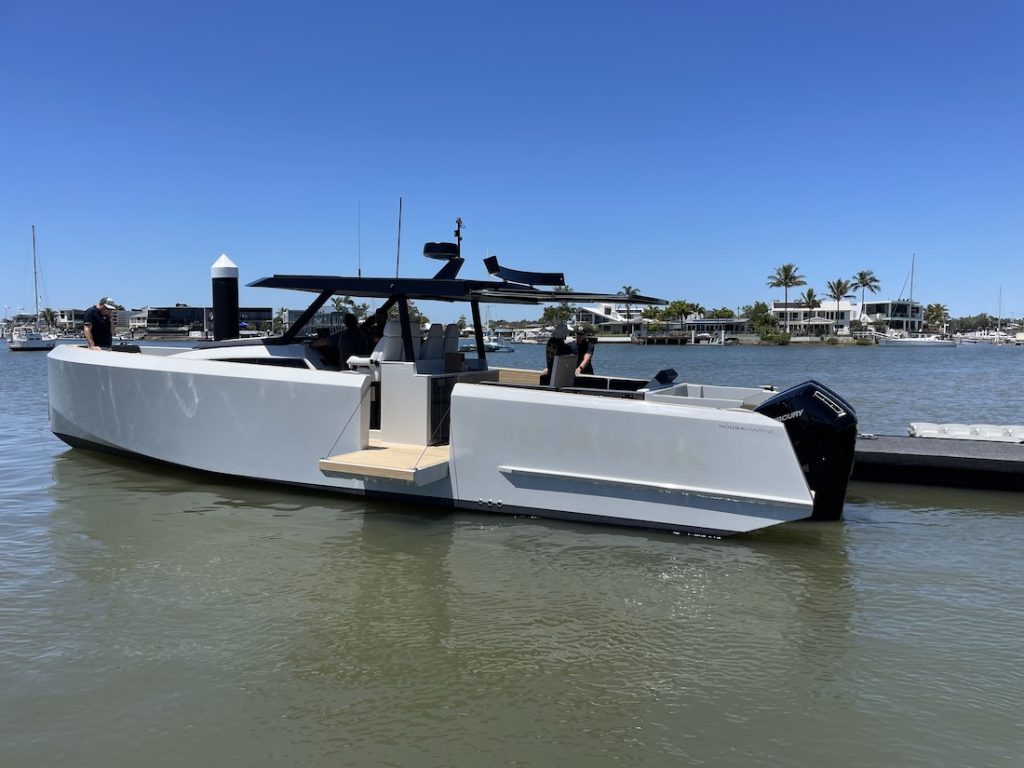
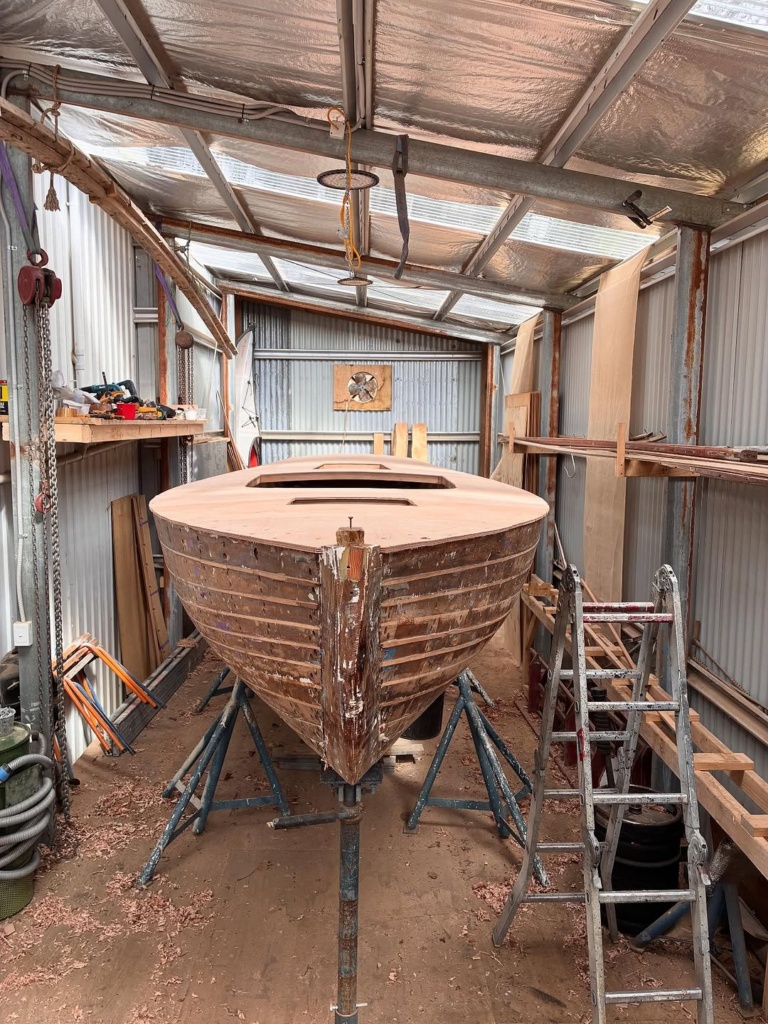
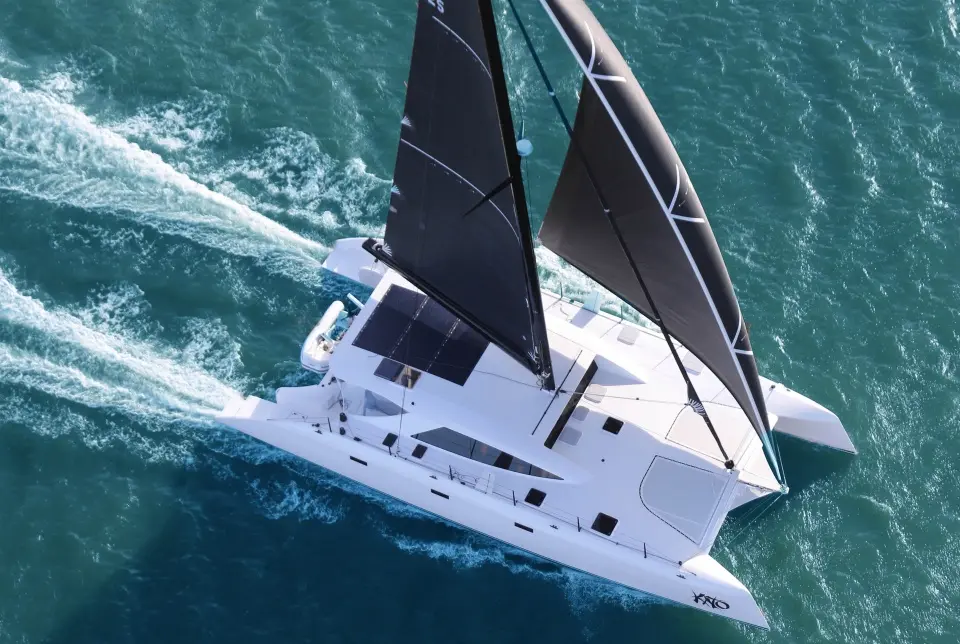
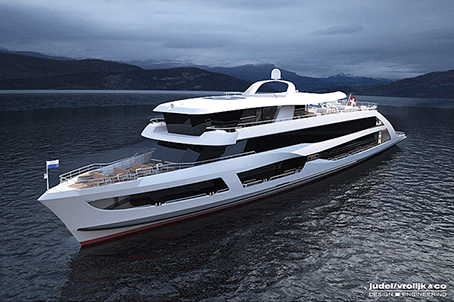
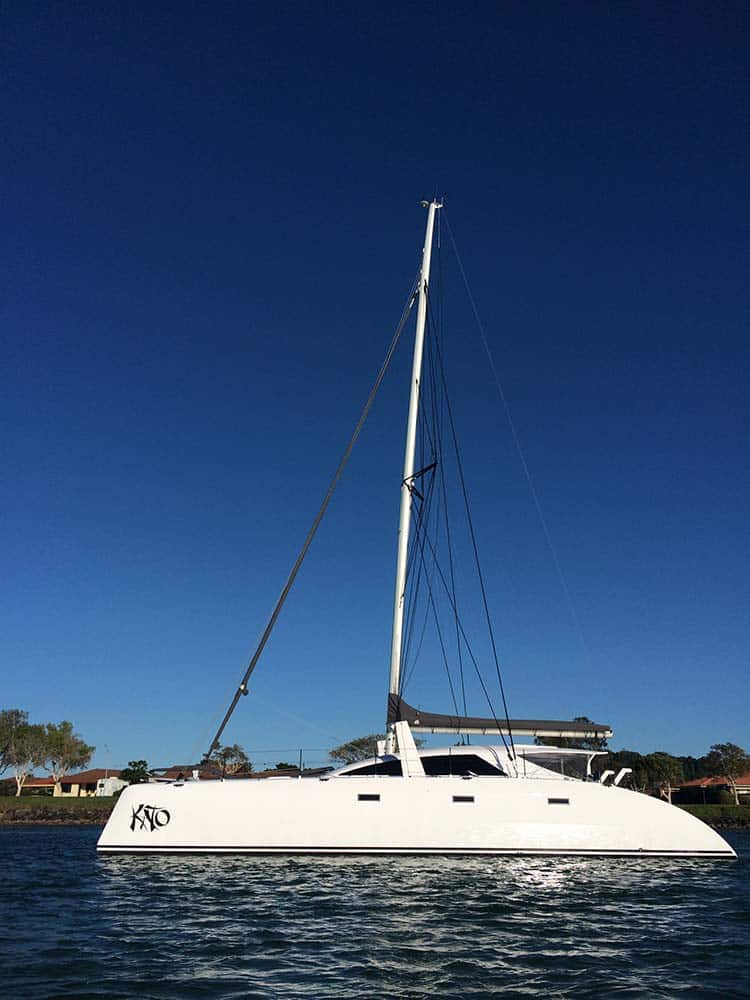
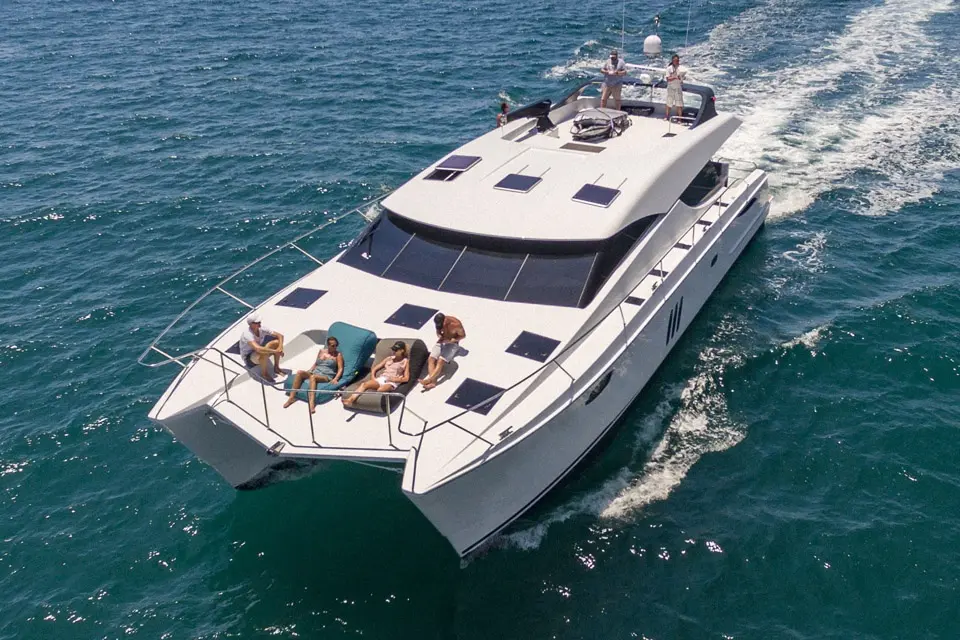
Hull shells, decks, superstructures, bulkheads, frames, stringers, partitioning and furniture for one-off construction, prototypes and running plugs. DuFLEX can also be used to extend or modify hulls or superstructures on existing boats.
Road
Truck beds, bodies, side walls and bus floors Industrial holding tanks, staging, walkways, formwork, and audio visual equipment containers
Rail
Flooring, roof/ceiling construction, cabinetry & interiors, and doors
Architectural
Long span roofing and lightweight wall panels
Expandability
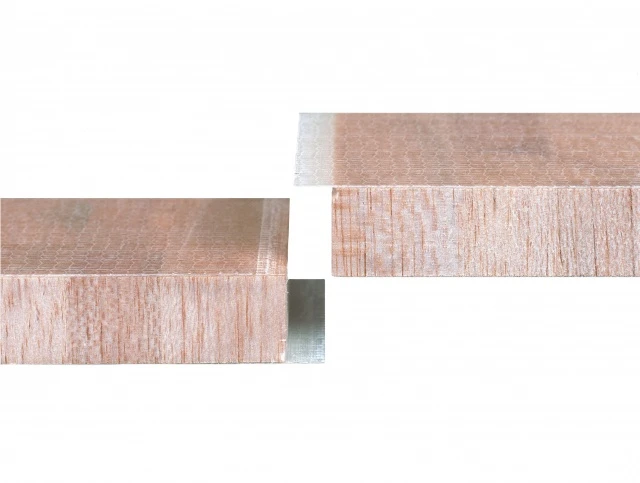
To offset their individual size, DuFLEX panels can be supplied with both long edges pre-machined to facilitate joining. This Z-Joint is structurally effective and achieves a smooth and fair surface profile.
To streamline the joining process, ATL Composites have developed the proprietary DuFLEX Z-Press. This press applies heat and pressure to cure the epoxy adhesive used to bond the joint, and panel length can be increased at a rate of 1.2 lineal metres per join.
Kits
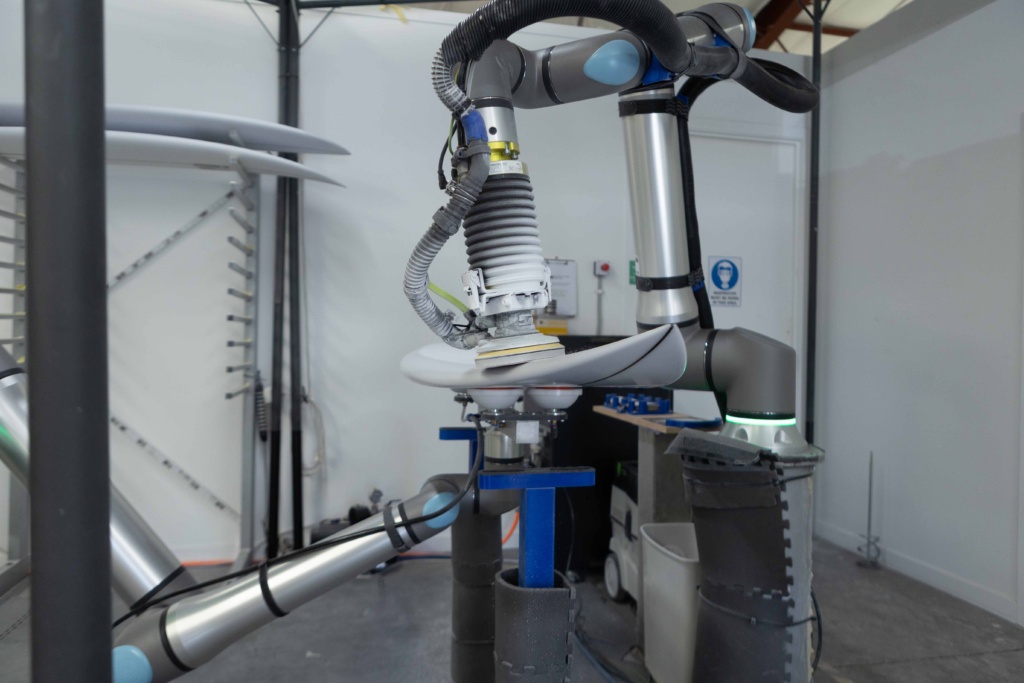
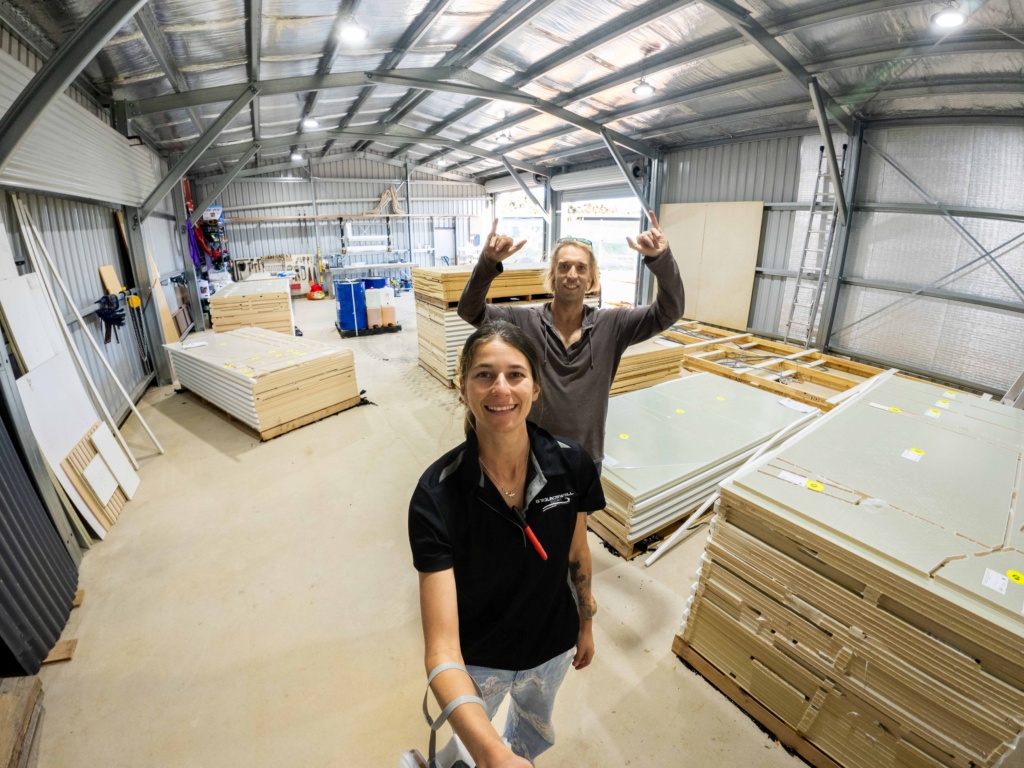
ATL Composites used computer aided design and manufacture (CAD/CAM) processes, combined with computer numeric control (CNC) equipment to produce pre-fabricated DuFLEX kits.
Electronic files are supplied by designers and all parts required for the project are nested together within the panels to reduce wastage. Once the panels are manufactured, the CAD information is used by a CNC router to machine the programmed shapes into the panels.
Each pre-cut part is left attached to the panel by small tabs to ensure the kit arrives with all components securely in place. The tabs are easily cut away, when the panels are joined, and construction commences.
The DuFLEX kit-building system minimises structural weight, material waste, labour and tooling costs, tighten design allowables, improves product quality, simplifies quotations, and reduces VOC emissions.
Strips
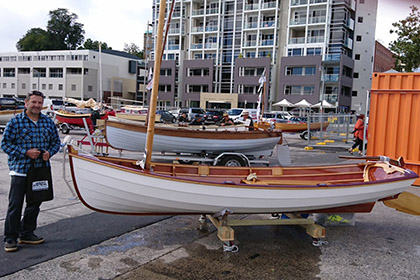
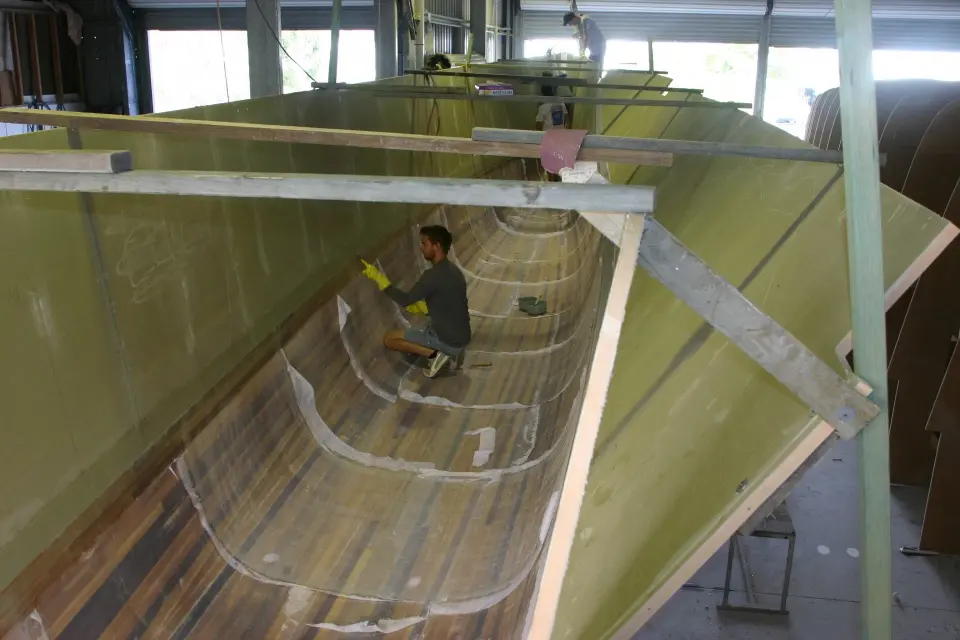
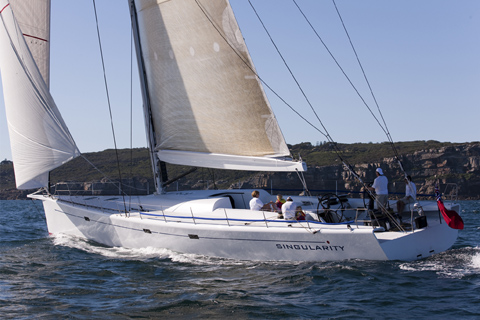
Compound surfaces such as sailboat hulls and the flared topsides in sport fishing boats can be made by bending and edge-gluing DuFLEX Strips around temporary frames, as with traditional strip planking.
DuFLEX Strips are pre-laminated with unidirectional reinforcements which allow the strips to conform readily to highly concave or convex shapes, and can provide up to 50% of the total laminate. The stiffness imparted by the reinforcement, allows the strips to bend fairly over half the number of frames normally required by other strip systems, and increases the stability when turning the hull.
DuFLEX Strips also allow builders to recoup a good deal of new-modelling costs when building running plugs and proto-types for production models.

Download DuFLEX Brochure (1.06 MB)
Download DuFLEX Balsa Data Sheet (39.6 KB)
Download DuFLEX Foam Data Sheet (114 KB)
Download Pro Boat Builder (774 KB)